- More than 20 years experience
- Complete assessments
- No agency fees


“They’re not people working somewhere far away. They’re truly colleagues on the team.”
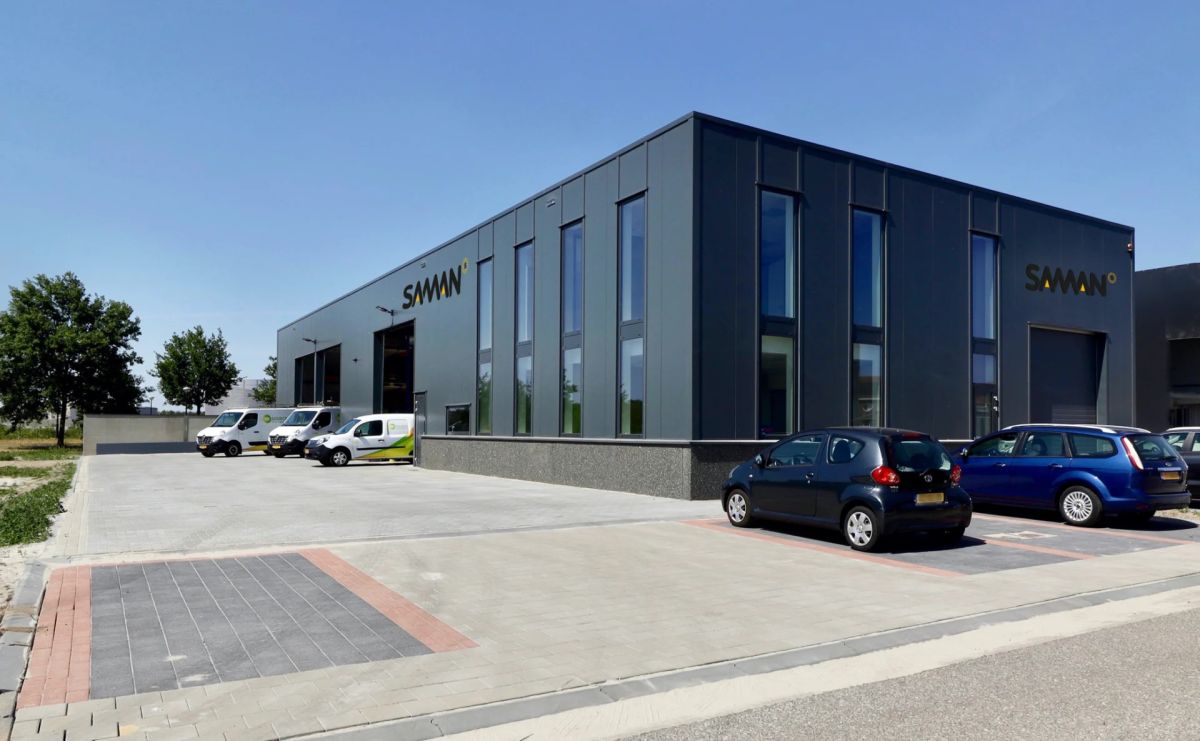
At Saman Groep Projecten, employees are called superheroes. It is a deliberate choice, says director Martin de Brouwer: people are what make the company. And those people are becoming increasingly difficult to find, especially in technical roles.
Saman has changed enormously over the past twenty years. It grew from a local installation company with fifteen employees into a nationwide organisation with nearly five hundred people, including its flexible workforce. The work changed too. Where teams were largely focused on solar panels a few years ago, they now work on broader energy challenges, including batteries, energy management systems, generation and storage.
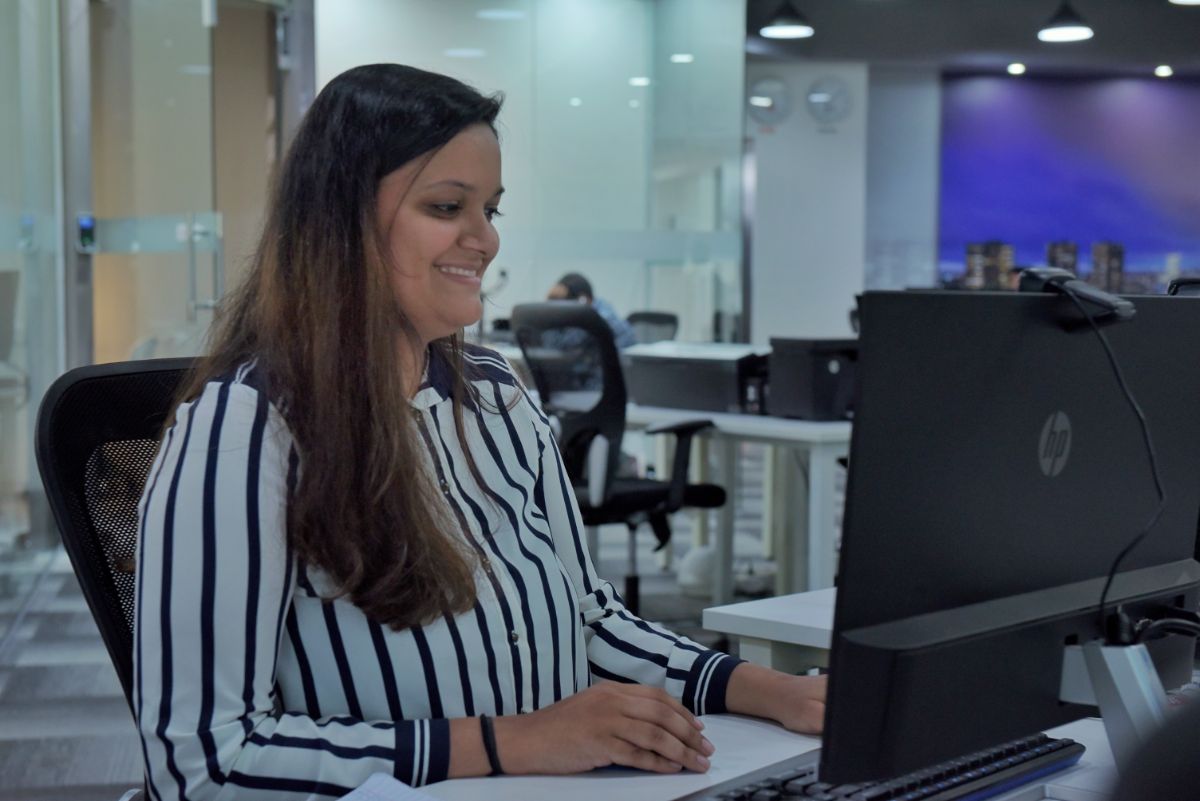
That shift calls for people with technical skills. Saman therefore decided to look beyond the Dutch labour market and started working with an engineer in India in October 2023. What began with questions about distance, culture and collaboration has become a lasting part of the team.
We spoke with Martin de Brouwer, Director at Saman Groep Projecten, about superheroes, the shortage of technical talent, working with India, and why personal connection matters just as much as technical expertise.

“We call our colleagues superheroes because, ultimately, people make the company. It’s our way of showing that we value what they do every day. We’ve built programmes around that idea too. Every summer, for example, we organise a superhero festival instead of the traditional summer gathering before the construction industry holidays.
At the same time, finding new superheroes is incredibly difficult. Like many other companies in the Netherlands, we see how hard it is to find good technical people. That’s why we keep looking for smarter ways to organise our processes, so the people we have can get more done. But finding technically skilled staff will be one of our biggest challenges in the years ahead.”
“When we began our transition towards sustainability in 2004, we had around fifteen employees. Today, including our flexible workforce, we’re approaching five hundred people.
But it’s not just our size that has changed. Two years ago, one team was still focused almost entirely on solar panels. Now its work covers solar panels, batteries, energy management systems and how all those elements fit together. People need technical training, knowledge of new regulations and the ability to adapt to a market that changes very quickly. That makes flexibility within the organisation essential.”
“Jan Joosten brought the idea to us. He said, ‘If you’re looking for engineers, I might have a solution.’ I was excited by it, but I also knew you couldn’t introduce something like that overnight.
Traditionally, installers are used to sitting at the same desk and discussing a project together. Now someone would be on the other side of the world. Because of the tight labour market, we started discussing it seriously within the team. What might get in the way? What would we need to change to make it work?
In the end, we started with our first engineer in India in October 2023.”
“We deliberately started small. We paired one engineer in India with one engineer in the Netherlands, and they worked on projects together. We continued that way for about a year.
We had also come through the pandemic, so remote work had become more familiar within the organisation. And we already worked with many English-speaking subcontractors and manufacturers, which meant English was less of an obstacle for us.
We were very happy with the arrangement from the start, but a turning point came when our operations manager and I visited India. We spent a week with our engineer and the people in the office. When you spend a week with someone in person, you build a very different connection in a short time. On Teams, you see how someone works, but you learn much less about who they are and what other strengths they have.
Before the visit, our operations manager had been quite sceptical about whether we should expand the collaboration. Afterwards, he said, ‘I think we could move many more parts of the process there.’ I saw that as a real compliment.”
“Yes. We’re looking, for example, at parts of project preparation and administration. That could ease the workload for our people in the Netherlands and give them more time for the work they enjoy. A project manager wants to manage a project, not spend most of their time on administration.
What this whole experience has confirmed for me is that our colleagues in India really are part of the team. We were told that at the beginning, of course, but you have to experience it for yourself. They’re now fully integrated into the team and our processes.”
“Very important. We didn’t go to India during the first year. Looking back, I think that was a mistake. You can arrange a great deal digitally, but meeting in person speeds everything up.
Our first engineer, Daniel, also visited the Netherlands. He got to know the other colleagues much better, and they got to know him. The Netherlands was a culture shock for him too. He went from rice and curry to boerenkool and found the food here rather bland at first.
But experiences like that help people truly get to know one another and bring a team closer together. That’s why we now want to make sure colleagues meet in person every year, whether in India or the Netherlands.”
“My first visit was a real culture shock. For example, I hadn’t realised how important family and faith are there. Knowing that beforehand helps you pay more attention to those things when working together.
Attitudes towards hierarchy are different too. In the Netherlands, we’re used to people saying fairly easily when they disagree. In India, I noticed more hesitation. If you ask someone to take something on, the answer is often yes. So we had to work deliberately on setting priorities: finish what you’re doing first, then move on to the next task.
That works well now, but you need to express a lot of trust and create an environment where people feel safe speaking up. When everything happens over Teams, that takes extra attention.”

“We use a VR headset and a platform that lets people follow along remotely. A technician can use it during a fault so someone in the office can see what they’re seeing. An adviser can also record footage on site.
That means an engineer in India preparing a cost estimate or design later can see exactly where cables need to run and what the site looks like. An adviser can even call an engineer directly if they have technical questions.
As a result, we don’t have to return to a customer three or four times to gather information. The funny thing is that our colleagues in India embraced the technology faster than some people in our office here. They immediately saw its value because better information helps them do their work better.”
“Most importantly, it has given us access to highly educated technical people who make a real contribution to the team. They’re motivated, have a strong work ethic and want to help the team develop.
It has also pushed us to improve our own processes. When everyone sits together, you can solve many things by walking over to someone’s desk. When you work remotely, you need to organise information better and make agreements clearer. Ultimately, the whole organisation benefits.”
“When you visit India, you also see the differences within the country. That opened my eyes. At the same time, you see what an opportunity like this can mean for someone working as a highly educated engineer. I value being able to offer people those opportunities.
We receive a lot of gratitude, but it absolutely goes both ways. We’re just as grateful to work with these engineers. They’re highly skilled people with a great deal to offer.”
“We would have gone to India sooner. You can arrange a lot digitally, but personal contact is incredibly important. I would also have learned more about the culture beforehand. If you understand how important family and faith are, and how differently people relate to hierarchy, you can take that into account from the beginning.
The technology and the work itself aren’t the hardest part in the end. The human side deserves just as much attention.”
“If companies are genuinely unsure whether to begin, they’re welcome to come and see how we do it. I’d be happy to show them how we’ve organised the process and what we’ve learned along the way.
You can focus on the potential risks before you start, but I’d rather show what it can bring. My advice is to get started. You gain access to highly qualified people who are eager to work, have a strong work ethic and want to help your team develop.
We’ve experienced firsthand that these aren’t people somewhere far away completing an assignment. They become real colleagues. To me, that’s the strength of this collaboration.”